
14 priority languages · Guided voice · Ages 4+
Meet the whole family.
Choose the language your family is learning, tap a relative, and watch the route from Flori light up. The words change, but the connected family stays easy to follow.
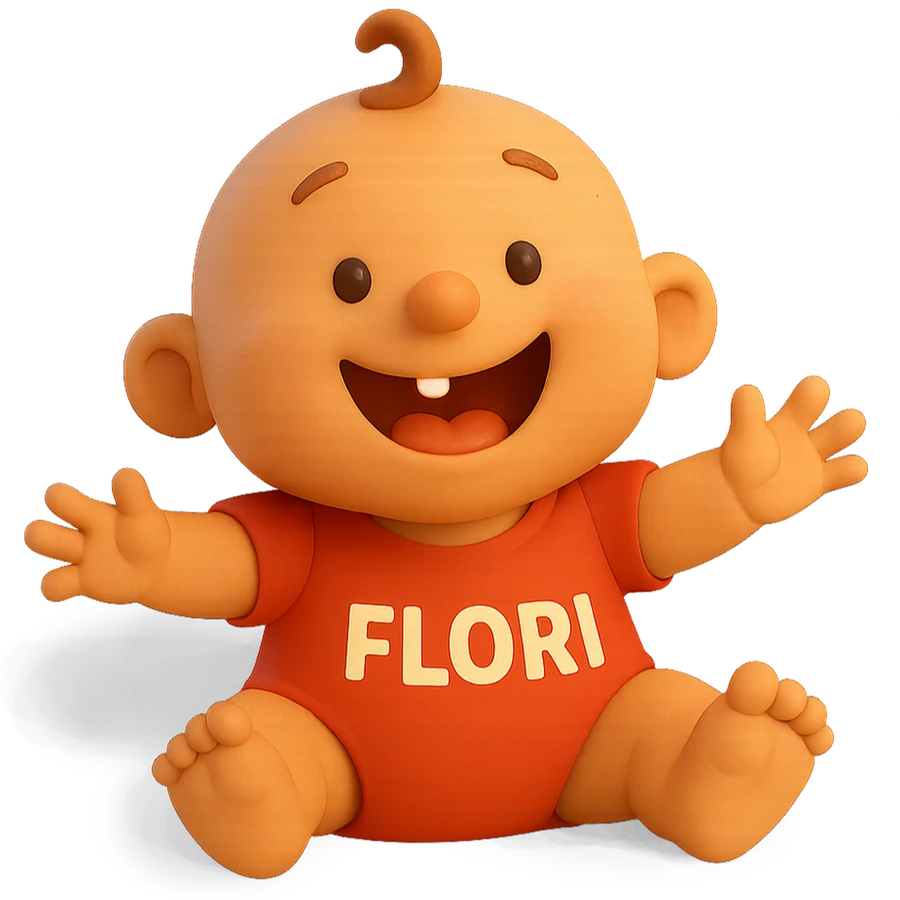
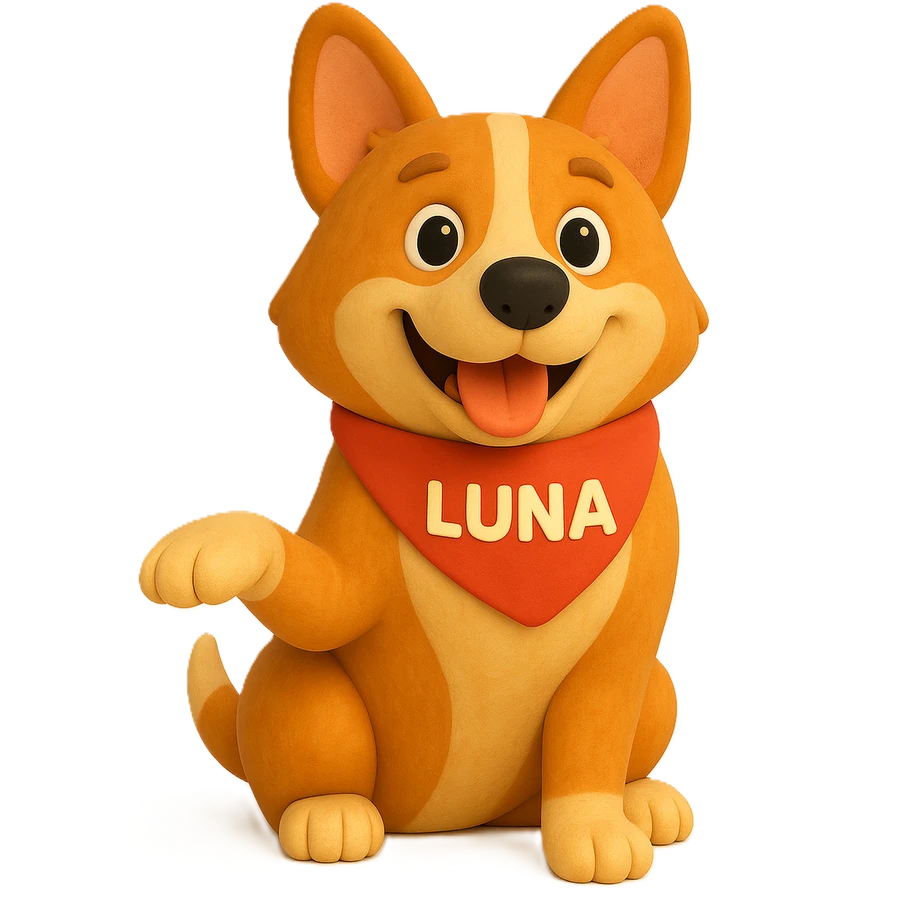
Tap a person · Follow the branch
Who is who in Flori’s family?
English + Shqip
Let Dren guide the family tree
Watch each branch light up while the same narrator explains the complete family tree in English, then repeats the journey in Albanian.
Older generations go up.Family branches grow sideways from Flori.
Adds spouses beside their relatives and children beneath siblings.
Swipe sideways to explore the whole family tree →
Compare both sides of the family
Family words in Albanian
Some languages use a special word; others use a clear phrase. Choose one to light up its branch.
One idea, different language systems
A translation is also a map
Some languages use one general word for an aunt or uncle. Others identify the mother’s side, the father’s side, gender, or relative age inside the word itself. The tree keeps the route visible so children learn the relationship—not only a disconnected vocabulary label.
When a language has no natural one-word match, the activity uses a short transparent phrase such as “mother’s brother.” Slashes show genuine alternatives, such as older/younger or a nephew from a brother/sister.
Use the example, keep your own story
Every family can look different
Flori’s example uses a mother-and-father tree because it makes maternal and paternal vocabulary easy to see. Children can still use the relationship words in families with one parent, adoptive parents, stepfamilies, two mothers, two fathers, guardians, or relatives who live far away.
The relationship is the learning clue—not what a family must look like. Family words also vary by region and household, so a child may hear a familiar local form at home that differs from the widely taught form shown here.
Language sources and review note
The vocabulary was reviewed against dictionaries, grammar references, and university or government language-learning materials. Where a kinship system needs age, gender, or family-side context, the tree uses a clear phrase or shows both common possibilities.
- DLI Albanian guide (opens in a new tab)
- Arabic family vocabulary (opens in a new tab)
- Taiwan Chinese course (opens in a new tab)
- Czech Academy dictionary (opens in a new tab)
- Danish Dictionary (opens in a new tab)
- Larousse French dictionary (opens in a new tab)
- Dutch dictionary (opens in a new tab)
- Duden kinship terms (opens in a new tab)
- Treccani kinship guide (opens in a new tab)
- Korean National Institute dictionary (opens in a new tab)
- Norwegian Language Council dictionary (opens in a new tab)
- Priberam Portuguese dictionary (opens in a new tab)
- RAE Spanish dictionary (opens in a new tab)
- Swedish Academy grammar (opens in a new tab)
- Open University Ukrainian family vocabulary (opens in a new tab)
- TUFS Vietnamese grammar (opens in a new tab)
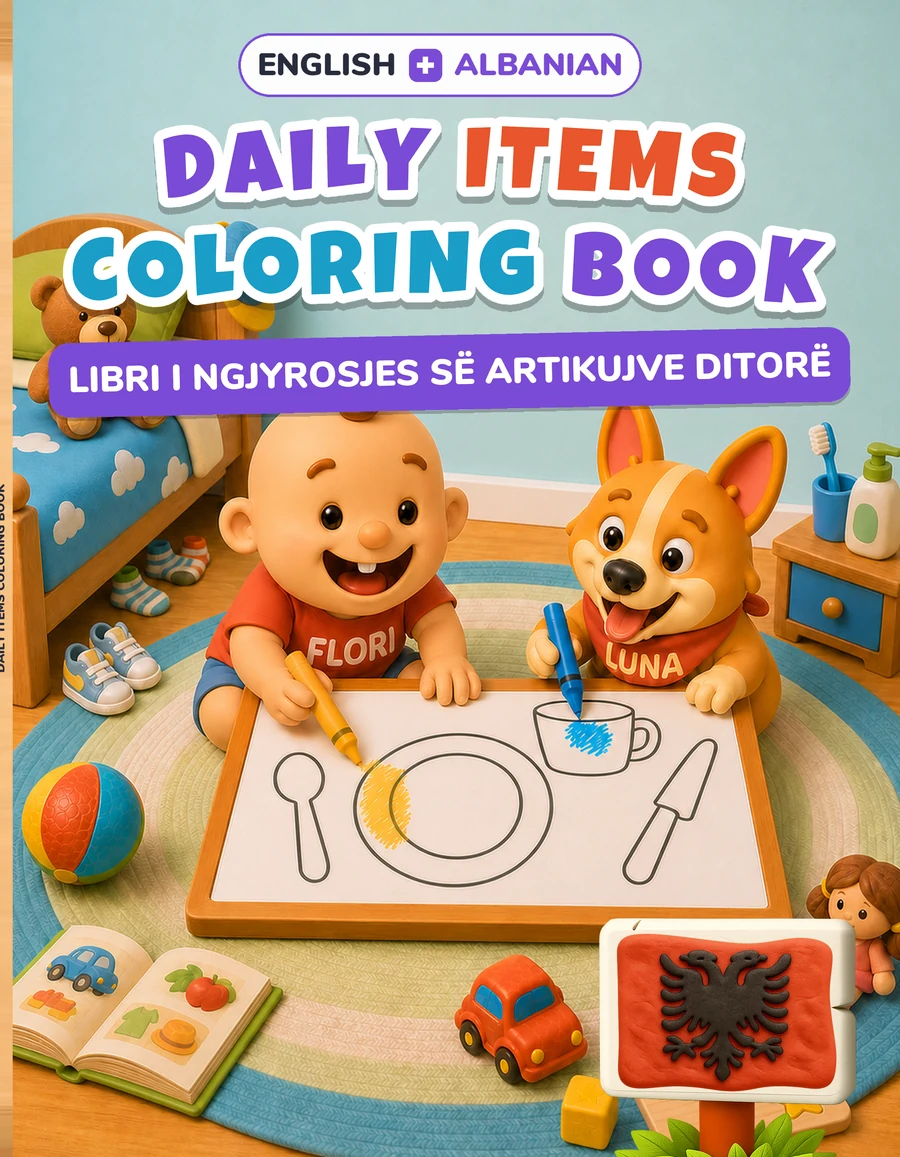
Continue with a book
Name the people, then name the things around them.
The family tree teaches who everyone is. Baby's First Daily Items Coloring Book continues the same bilingual habit with familiar objects at home. Use the language catalog to find a live Flori & Luna book in the language your family selected.