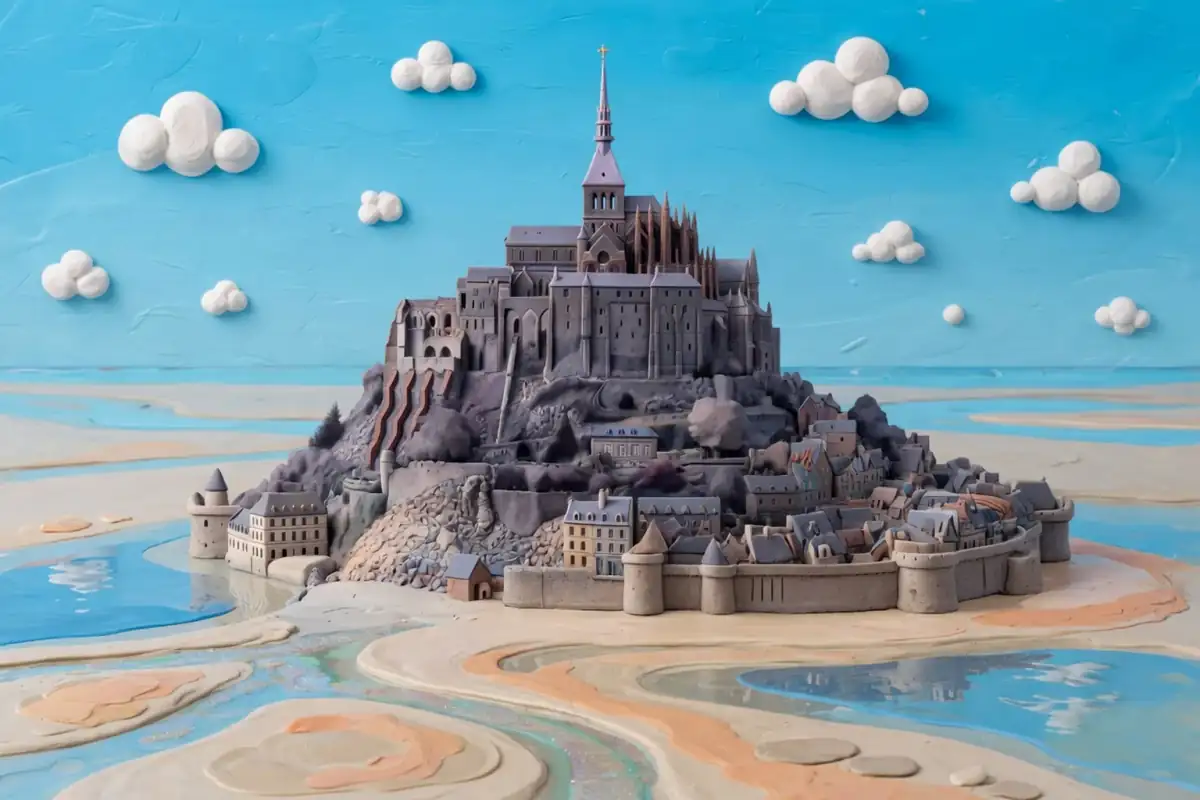
Clay picture-book panorama of Mont-Saint-Michel rising from pale tidal flats with its stone village, abbey, and slender spire
Little visits · real places

Flori & Luna visit France

Collect five soft travel patches from Paris to Normandy, the Loire Valley, the Gardon, and Carcassonne—with every real place linked to its source.

See the place, not just the characters

Five landmarks to point at together

Each clay scene is an illustrated interpretation shaped from official visual references. Flori and Luna guide the way while the real landmark remains the star.

Their navy-and-cream travel clothes are playfully inspired by maritime Brittany. Breton clothing traditions vary by place, community, period, and occasion; these illustrations are not a French national costume. Clothing reference: Pays Bigouden Tourist Office: Headdresses and costumes (opens in a new tab).

Flori and Luna open a navy travel bag with five empty patch spaces beside the Eiffel Tower

The adventure is fictional. The place is real.

The Five Soft Patches of France

A little navy travel bag gathers five felt pictures: tower, abbey, chimney, aqueduct, and round turret.

  • Seven different picture-book scenes
  • Gentle prompts for ages 2–6
  • Real place details linked to their sources
Turn the first page

Point, notice, wonder

Two real places to meet

Each claim below links directly to the institution used to check it.

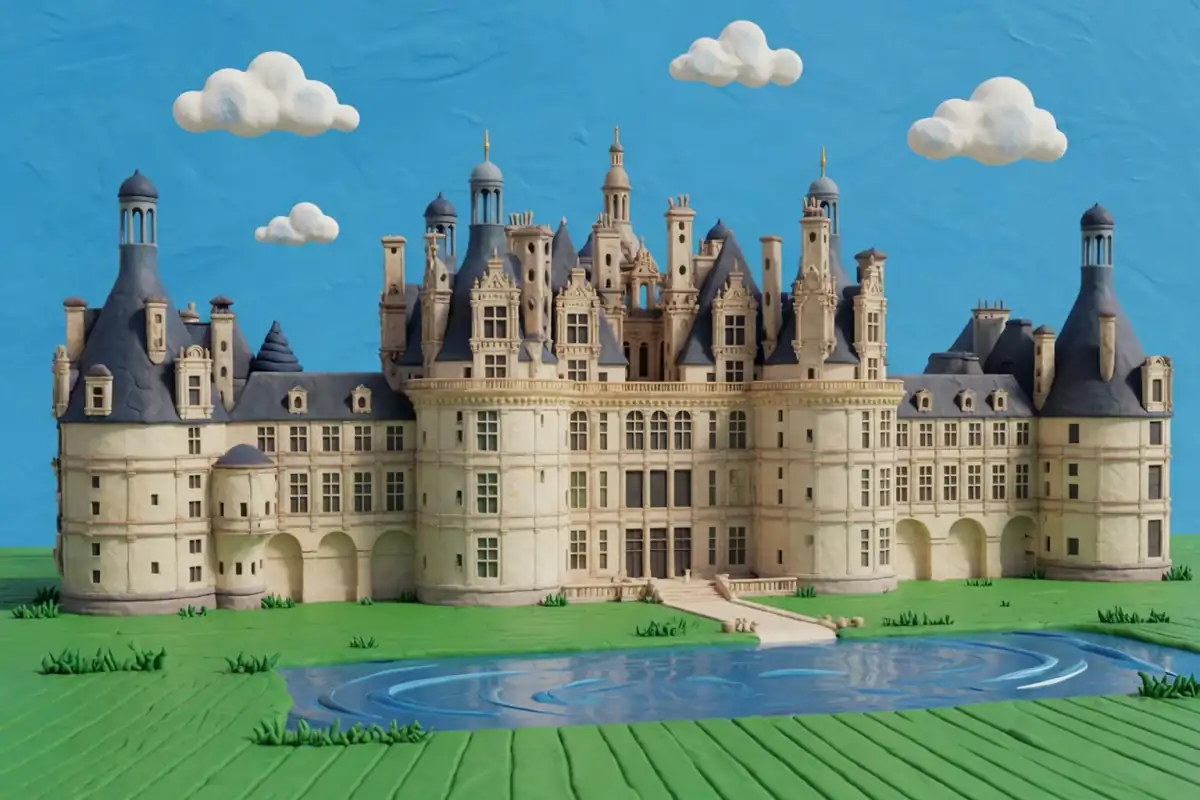
Clay view of Château de Chambord's pale stone walls and elaborate roofline

Tower, tide, and château

Paris, Normandy, and the Loire Valley

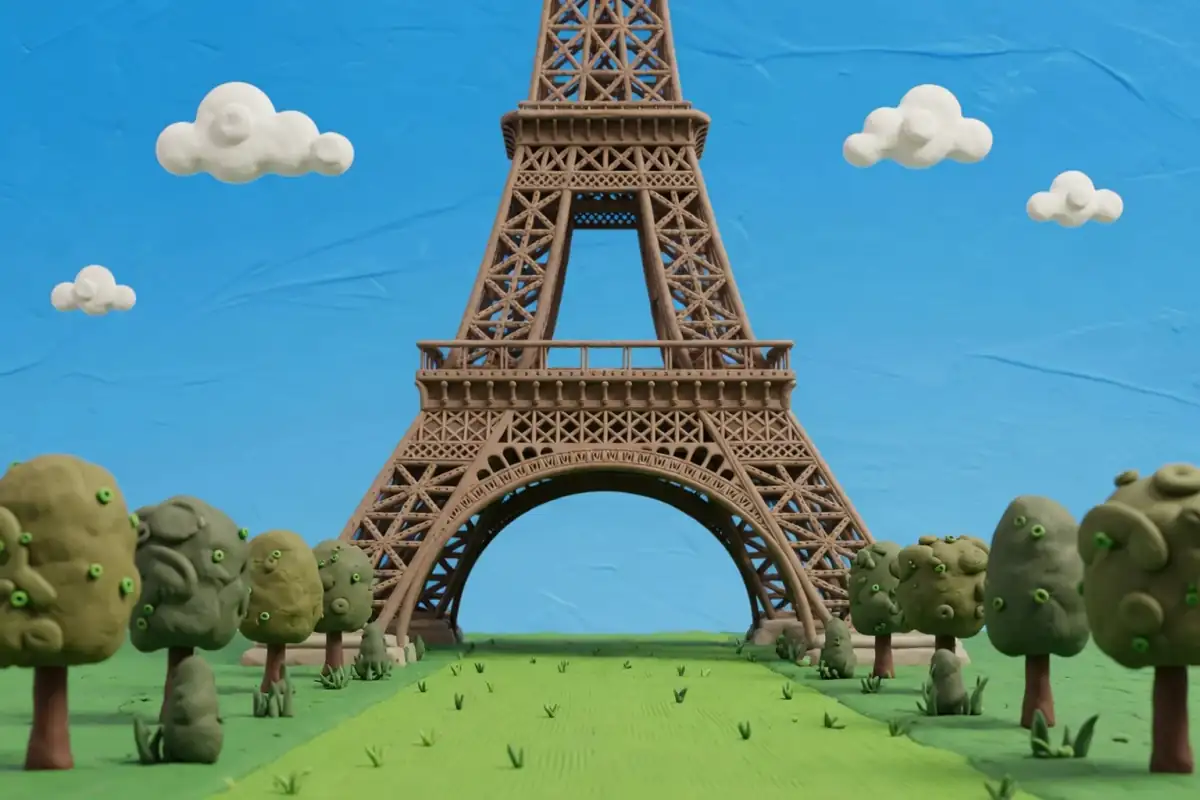
Three very different skylines begin the route: open iron latticework, a tidal-island abbey, and a Renaissance roof crowded with towers and chimneys.

  1. 1.1

    The Eiffel Tower was completed for the 1889 World's Fair in Paris. Source: Official Eiffel Tower website: History (opens in a new tab)

  2. 1.2

    Mont-Saint-Michel combines a Gothic Benedictine abbey and village on a rocky islet shaped by powerful tides. Source: UNESCO: Mont-Saint-Michel and its Bay (opens in a new tab)

  3. 1.3

    Construction at Chambord began in 1519, and its central plan includes a celebrated double-helix staircase. Source: Domaine national de Chambord: As history unfolds (opens in a new tab)

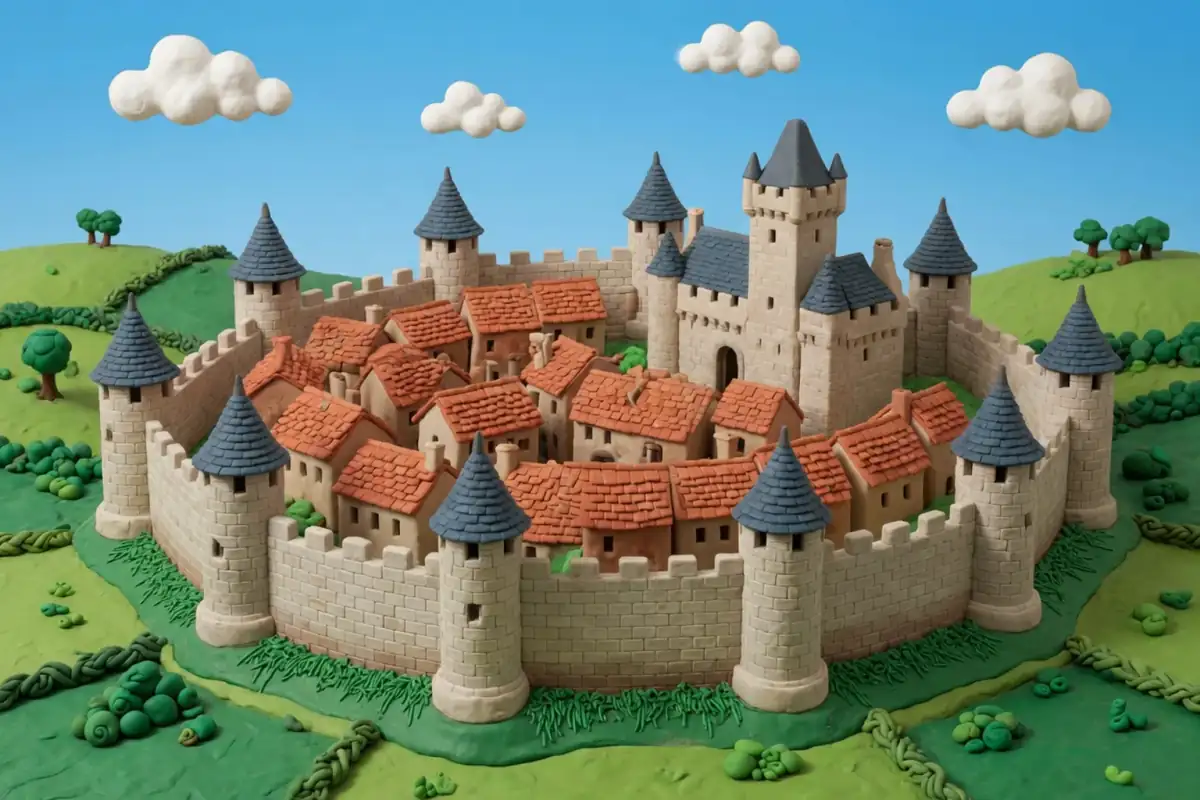
Clay view across Carcassonne's double walls and round towers

Ancient arches and medieval walls

The Gardon and Carcassonne

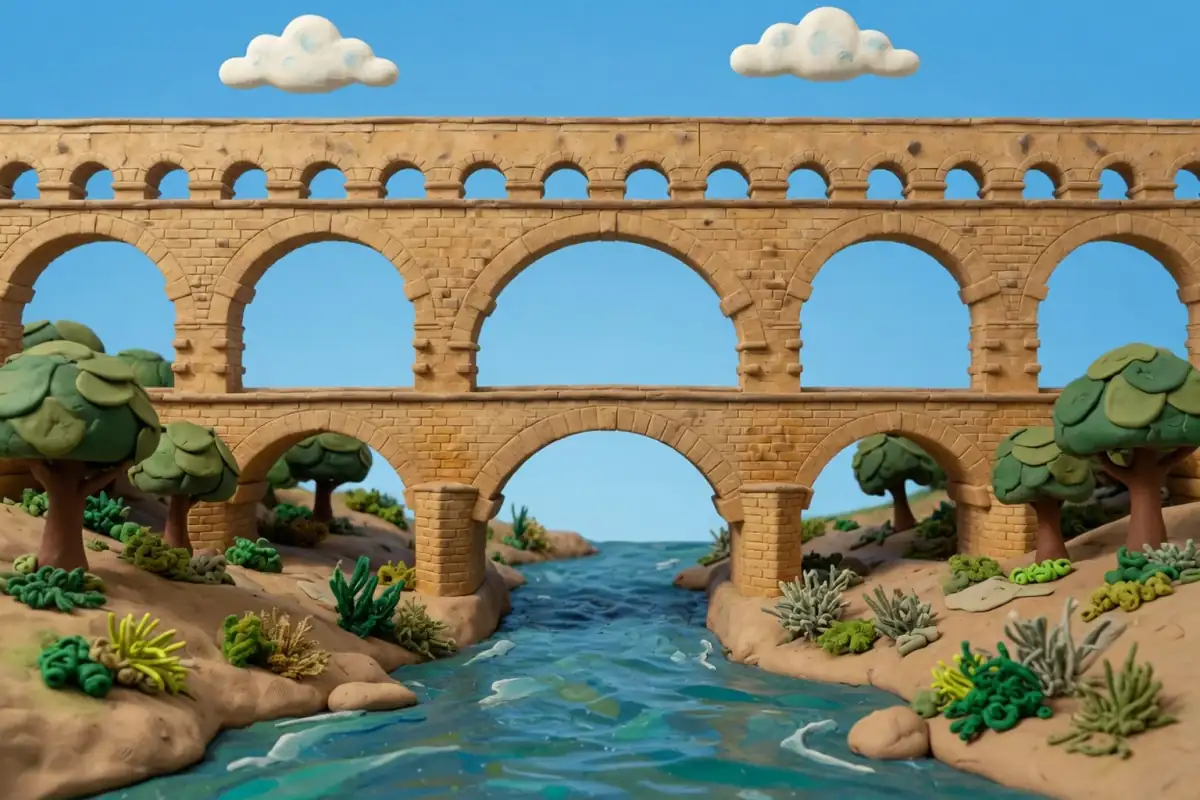
A three-level Roman aqueduct and a double-walled medieval city turn the final stops into a game of counting arches, levels, towers, and enclosures.

  1. 2.1

    Pont du Gard stands almost 50 metres high and crosses the Gardon on three levels of arches. Source: UNESCO: Pont du Gard (Roman Aqueduct) (opens in a new tab)

  2. 2.2

    Carcassonne preserves a fortified medieval town enclosed by two defensive circuits. Source: UNESCO: Historic Fortified City of Carcassonne (opens in a new tab)

How this series is made

Fiction clearly labeled. Real details sourced.

Flori and Luna's adventure is invented. The geography, landmarks, dates, and historical descriptions are checked against UNESCO, government, municipal, museum, or university sources before publication. The clay scenes are friendly illustrated interpretations, not documentary reconstructions.

Research last reviewed August 26, 2026. See something we should revisit? Send a correction.

Keep the language closeBrowse English + French books →For grown-upsMeet French around the world
Where should they visit next?Get the next little visit

A note from Luna

Send me new stories & tips

Share an adult’s email and we’ll only use it for the Flori & Luna update you choose here.

Checking notification availability…